
 English
 Français
 Español
 Deutsch
 Português
 Italiano
 العربية
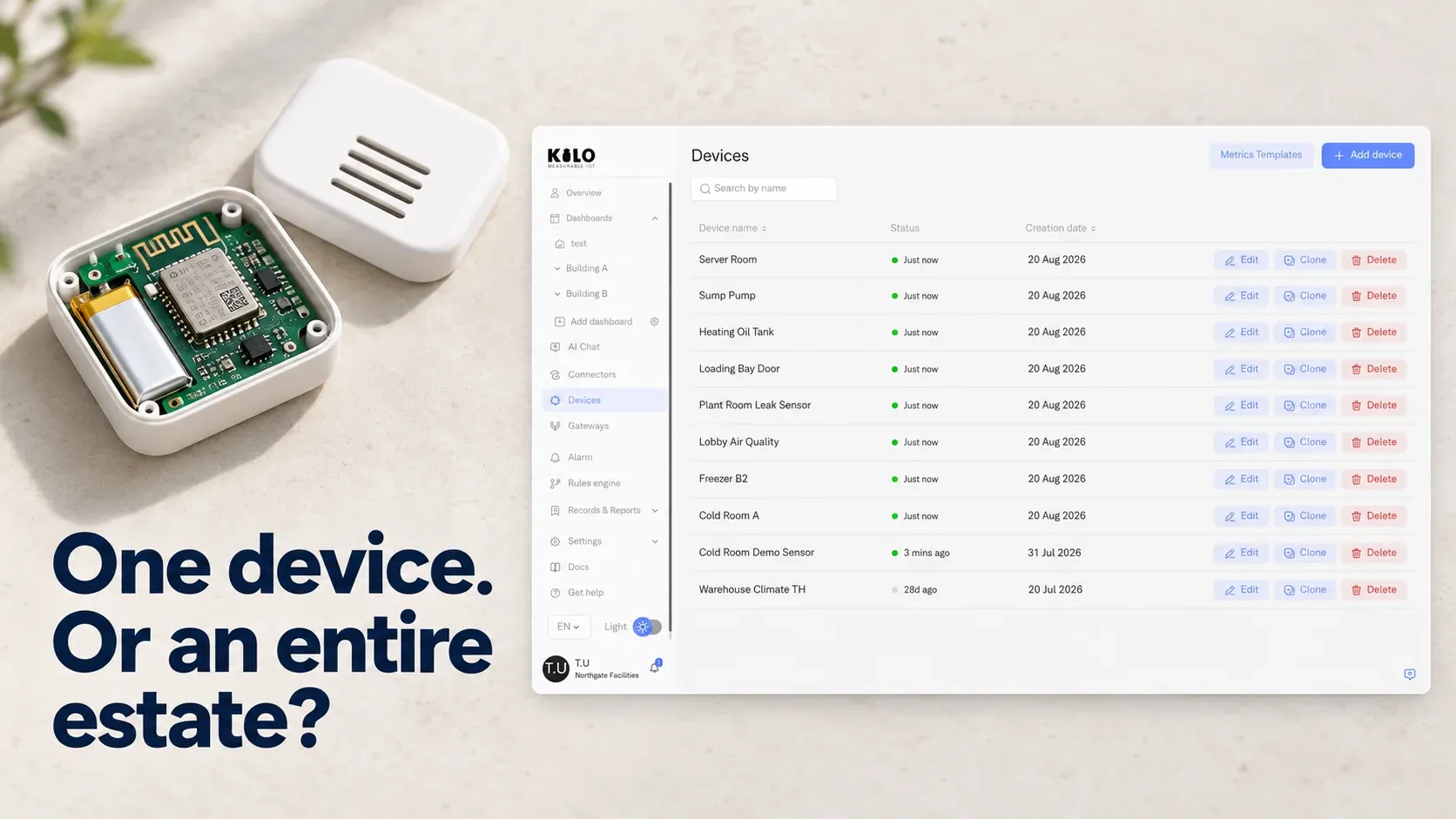
What is an IoT operating system?
An IoT operating system can mean the OS inside one device or the layer that runs a whole estate. Learn both, the best IoT OS options and AI IoT platforms.
Blog
21–40 of 50 articles
An IoT operating system can mean the OS inside one device or the layer that runs a whole estate. Learn both, the best IoT OS options and AI IoT platforms.
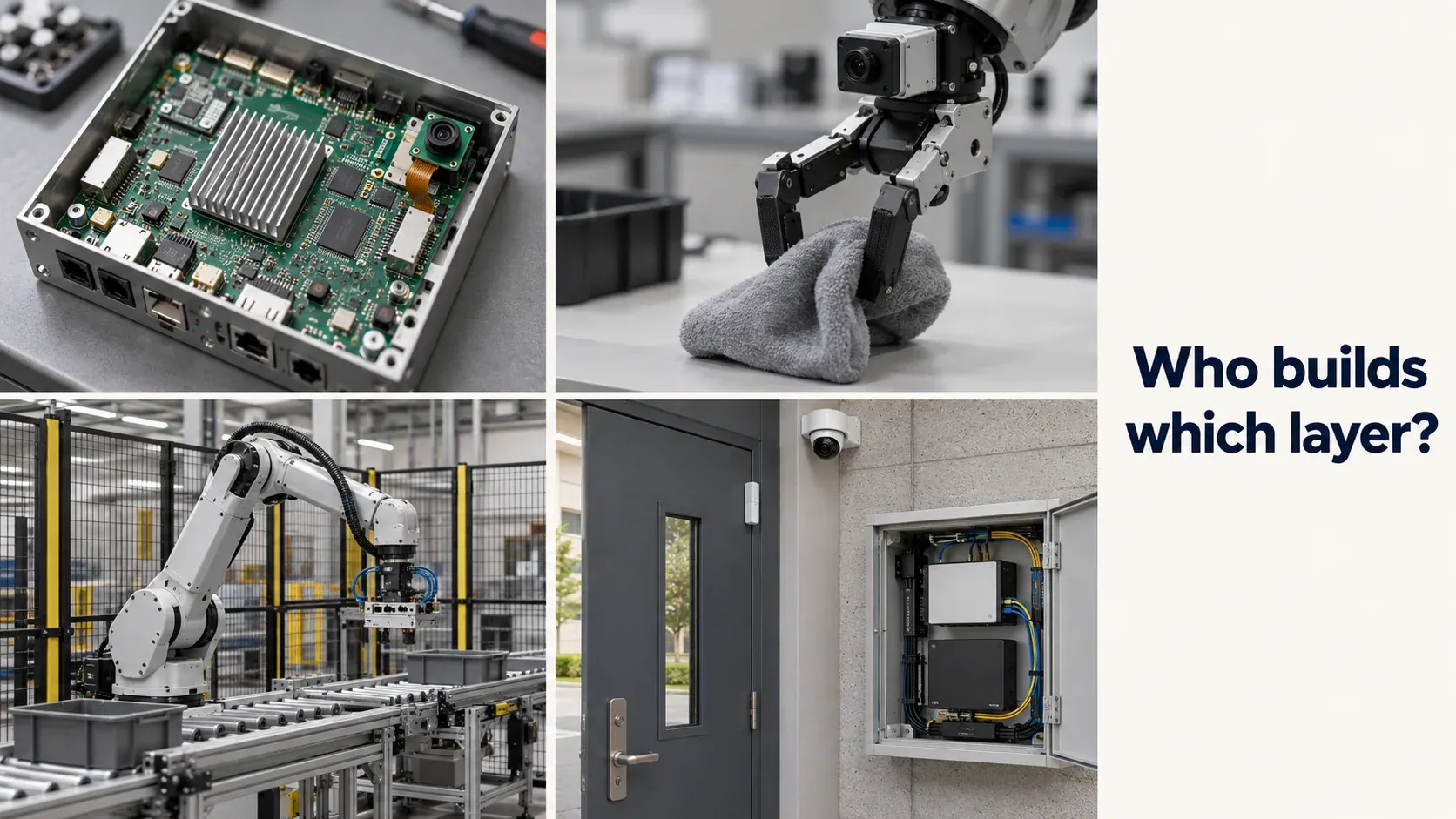
A map of physical AI companies by layer: chips and simulation, embodied AI models, AI robotics companies, physical AI startups, and the layer connecting sites.
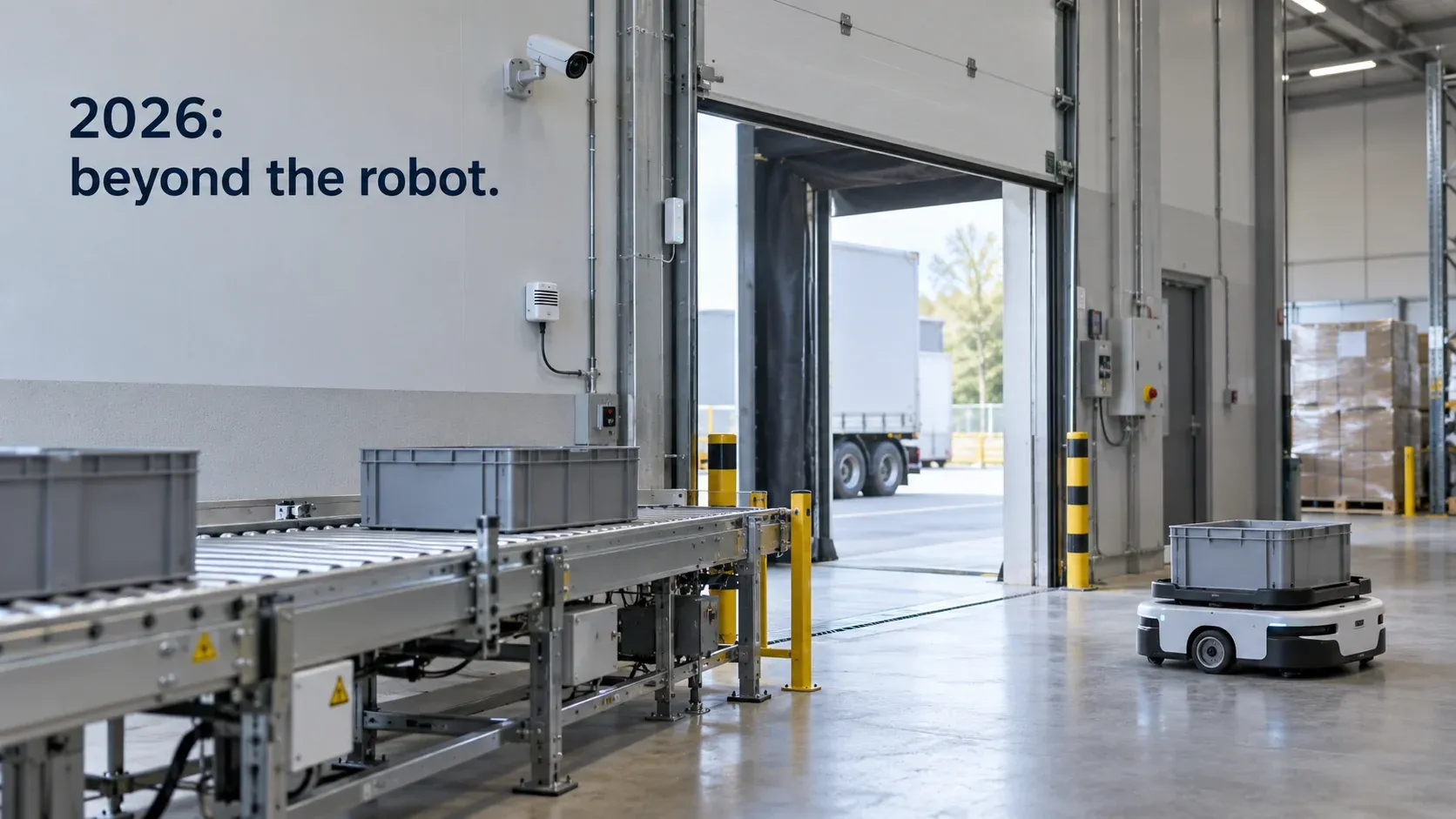
The physical AI trends of 2026 explained: robotics and embodied AI trends, the shift toward connected buildings and sites, and which are real or forecast.

What is embodied AI? A plain explanation of AI that perceives and acts through its own body, how embodied AI robotics works and how it differs from physical AI.

How automated bridge monitoring works: which sensors to use, how wireless and solar setups run, and how flood monitoring catches scour around bridge piers.

How multifamily water leak detection works: where apartment leak sensors go, which sensor types to use, who gets the alarm and how to prevent the next leak.
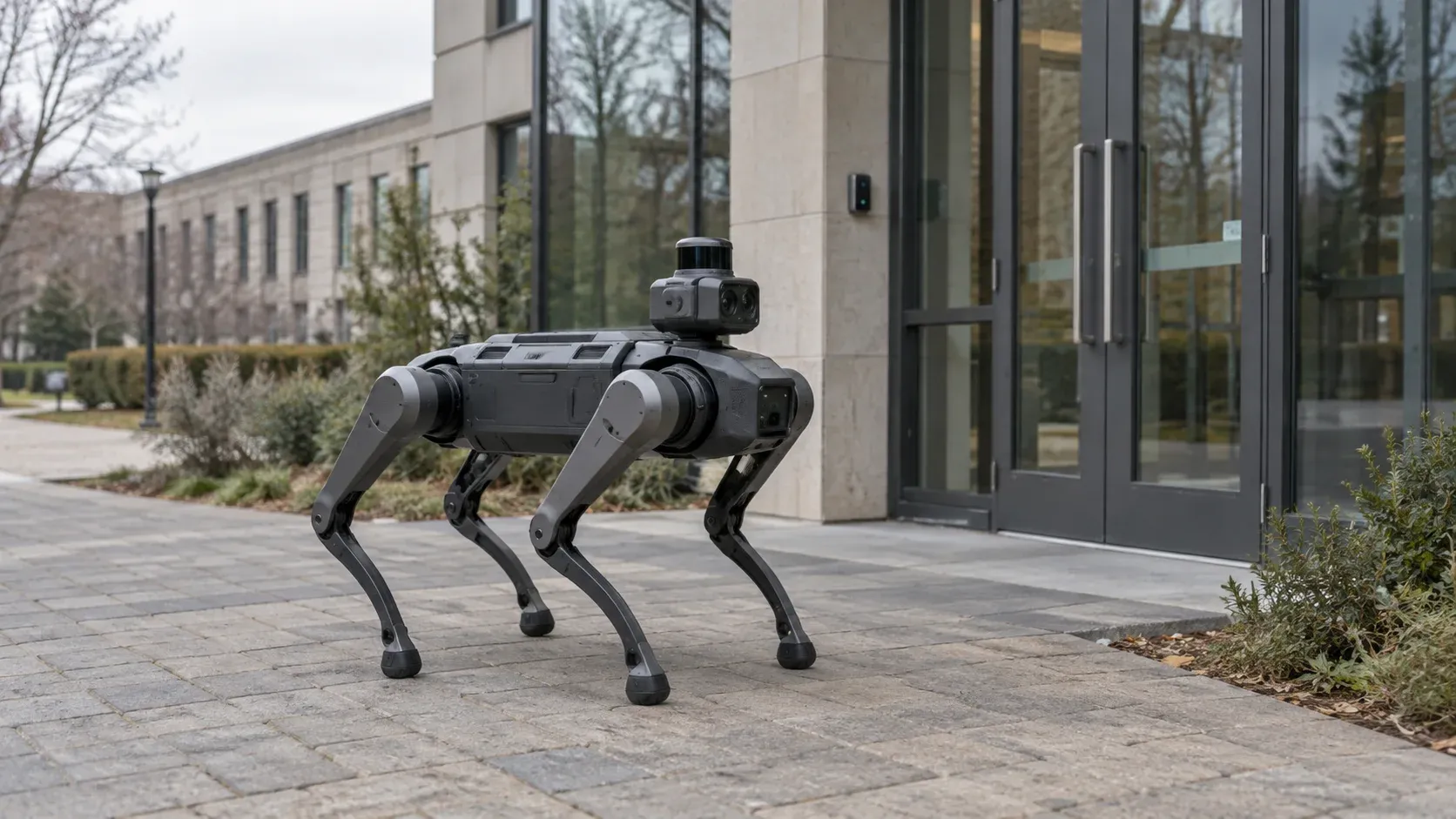
An operating system for physical AI connects sensors, doors, machines and robots so they share context and act as a group. See how it works, with examples.
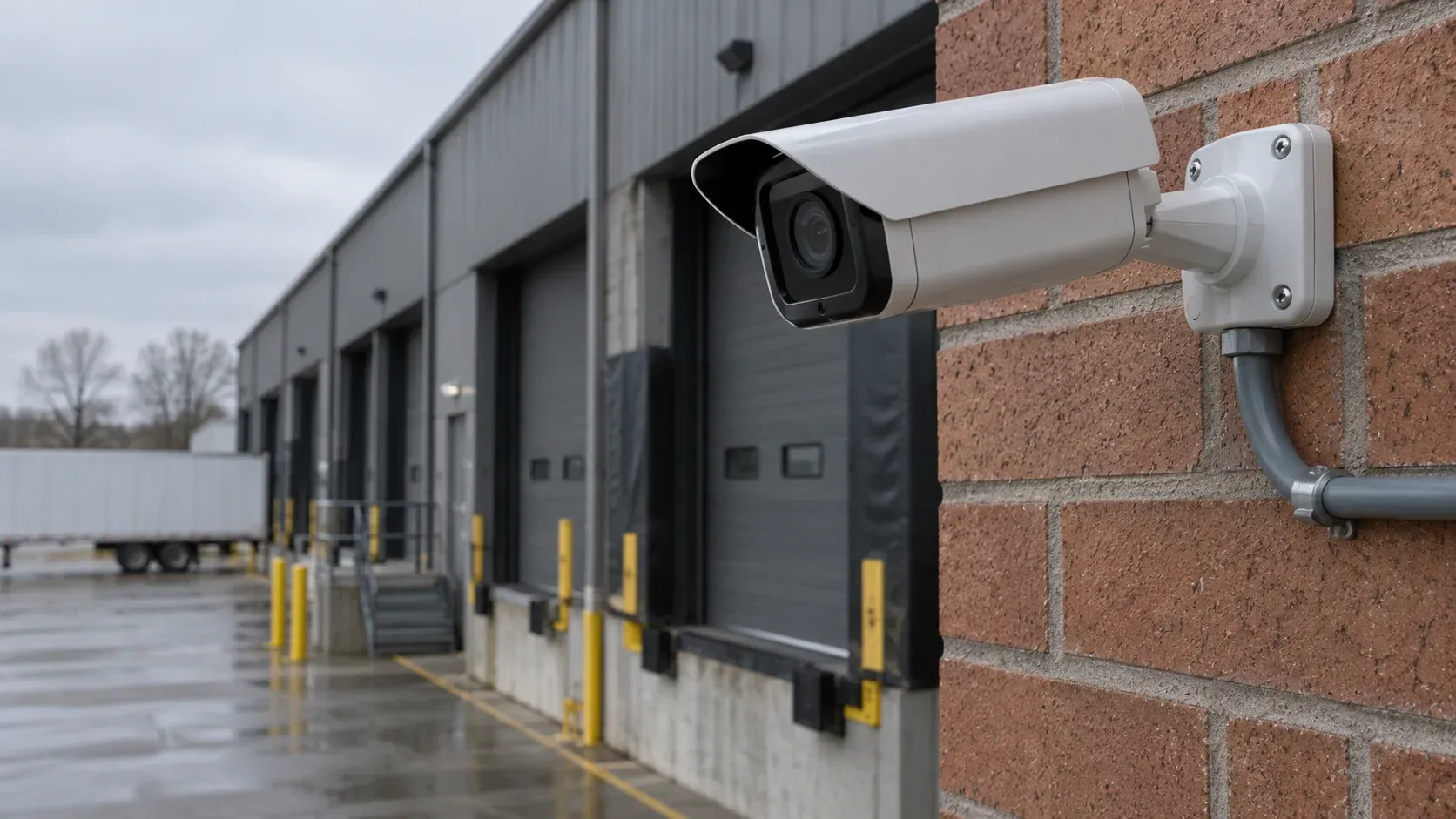
What video management software does in security, how to check it against the IP cameras you own, and how per-camera price and storage add up over five years.
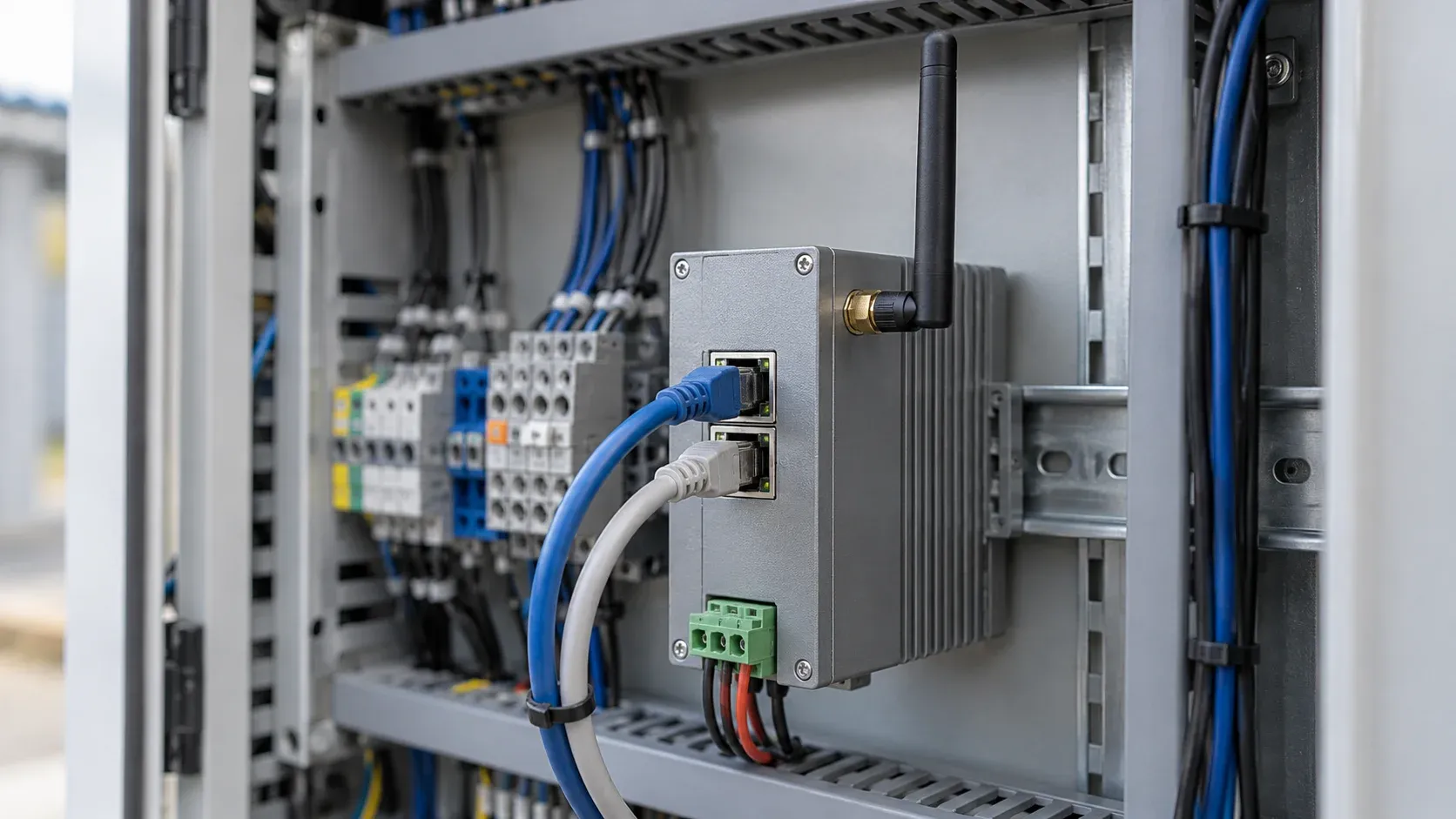
What is MQTT? Learn how brokers, topics, clients, QoS levels, the last will and Sparkplug work, and when MQTT is the right protocol for your devices and data.
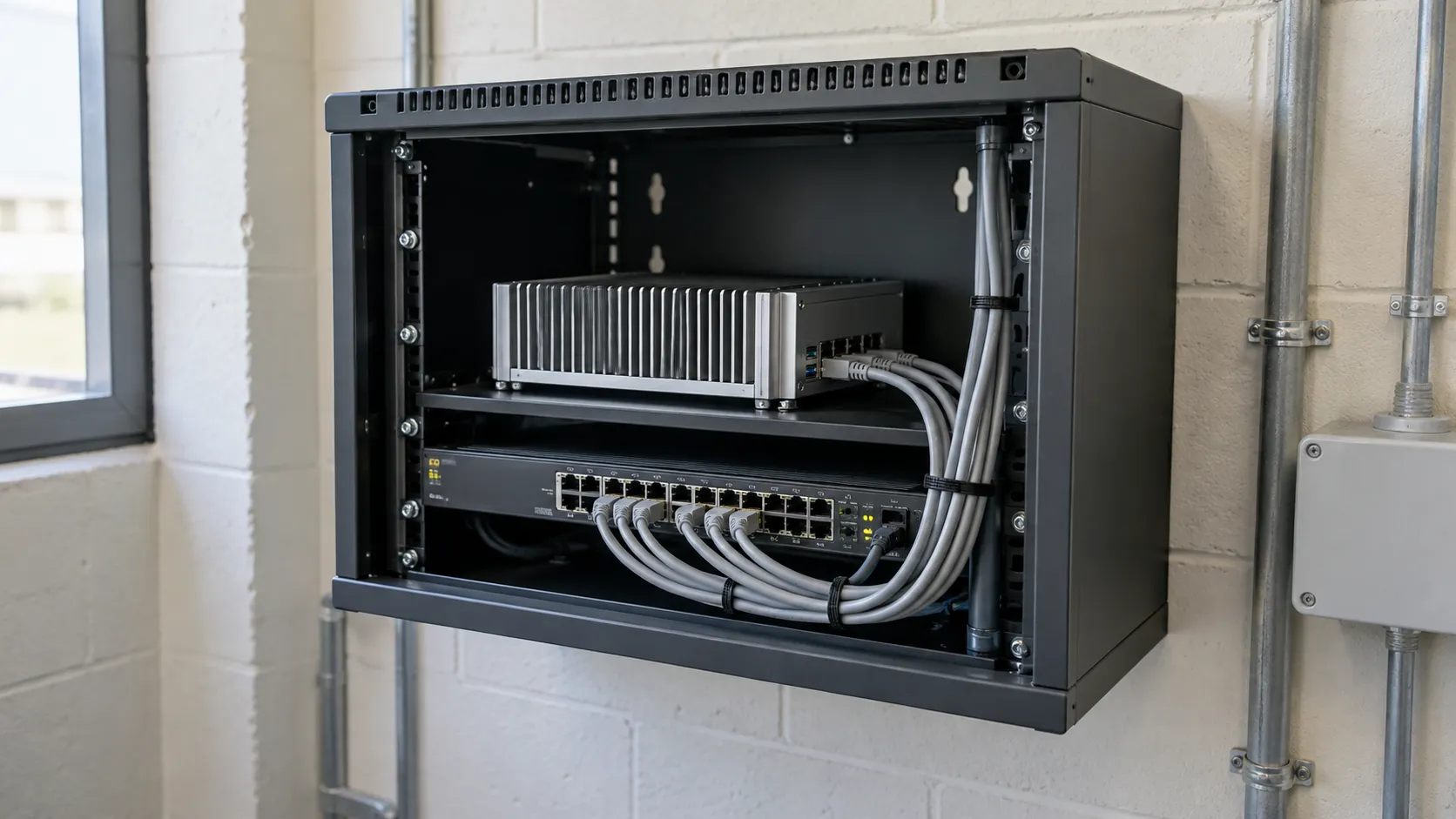
How an IoT server connects AI to device data, supported commands and operational controls, including testing, versioning and recovery.

How building sensors could help request robot inspections across different technologies, with clear roles for AI, navigation and mission feedback.

Understand robot simulation, digital twins and workflow testing: what virtual trials can establish and what still needs real equipment.
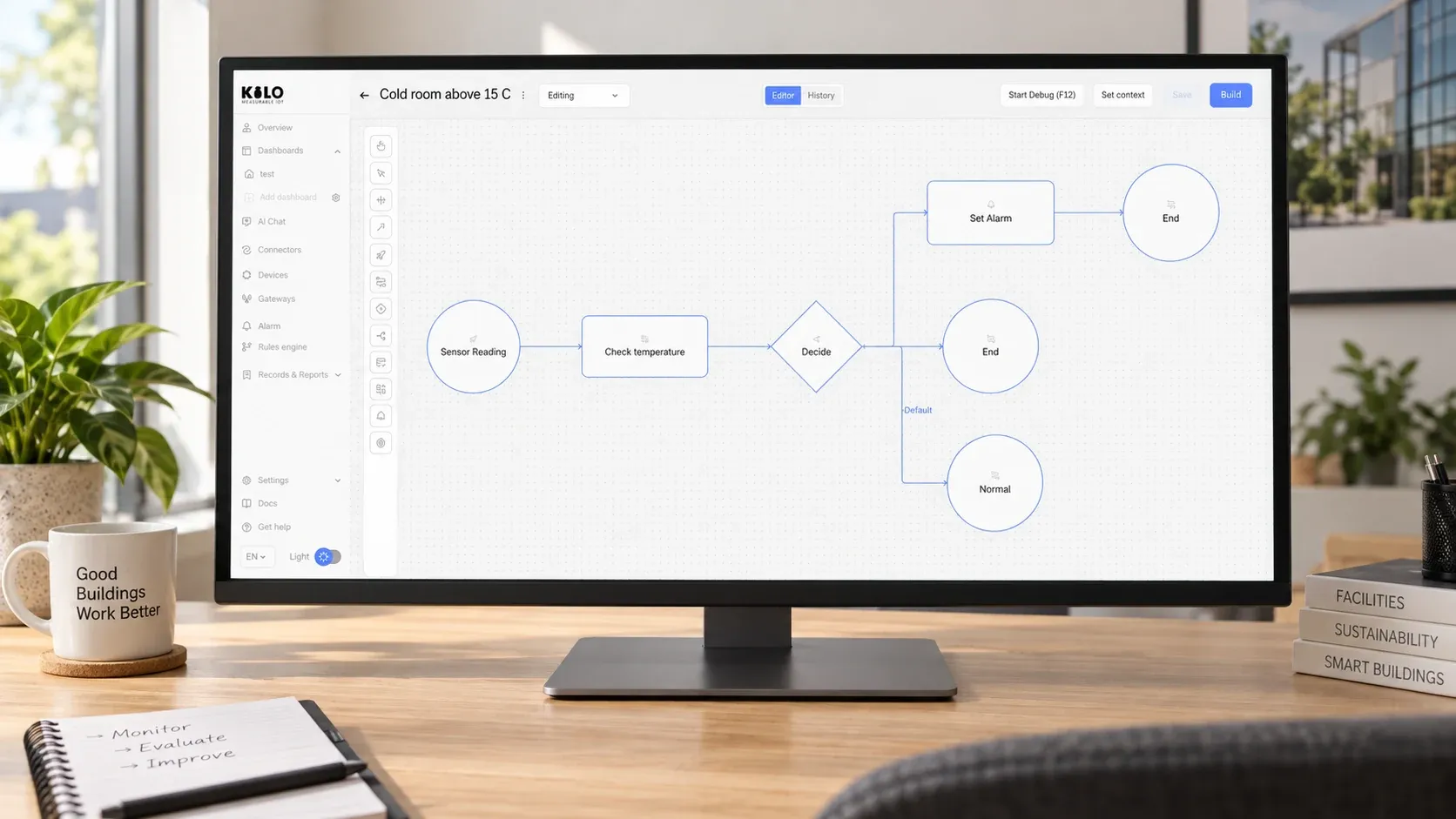
Evaluate a low-code IoT platform through visual rules, expressions, debugging and release controls. See how to test the workflow in Kilo.
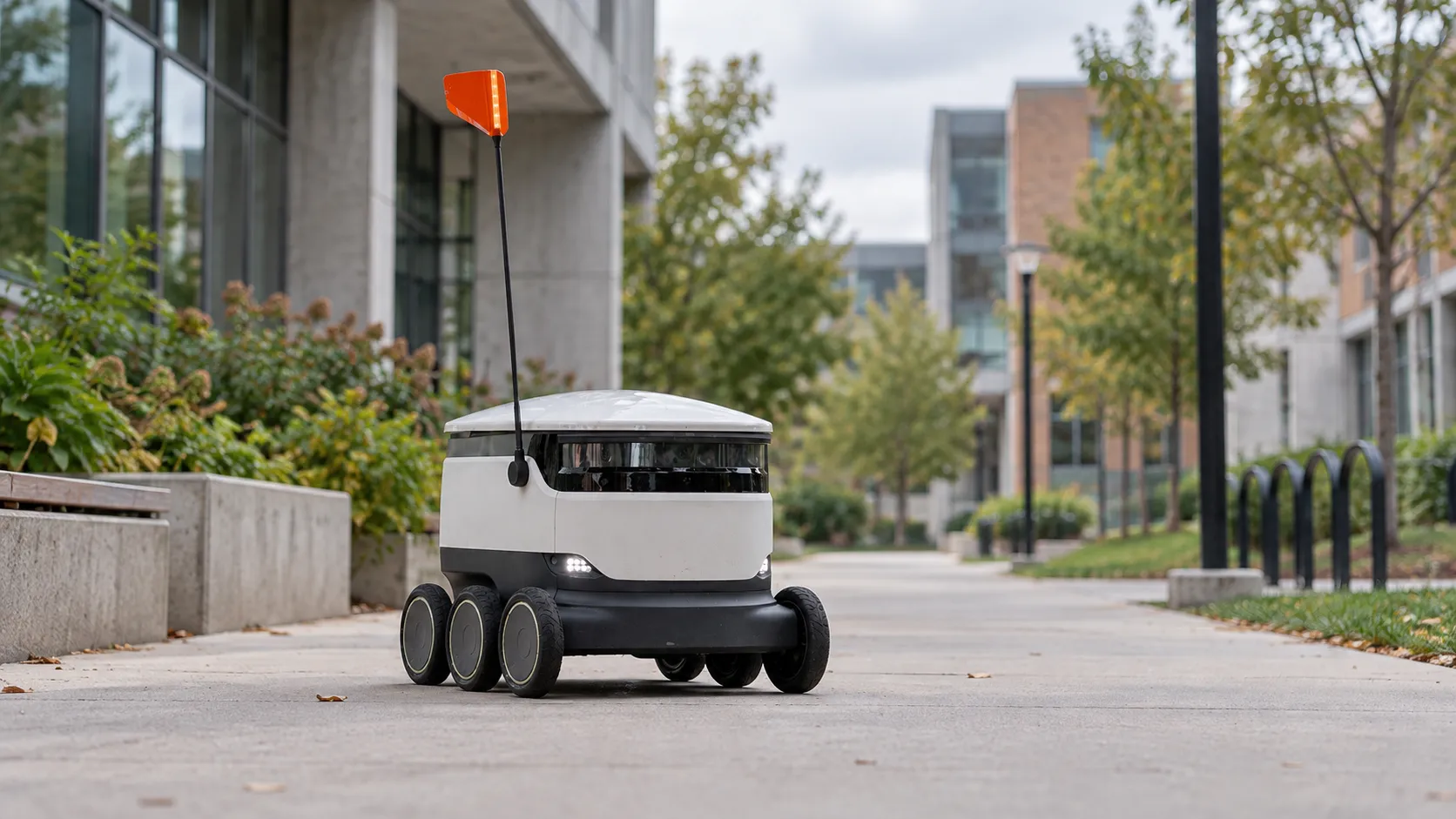
Explore physical AI examples, how sensing becomes action, and the infrastructure connecting AI models to robots and real equipment.
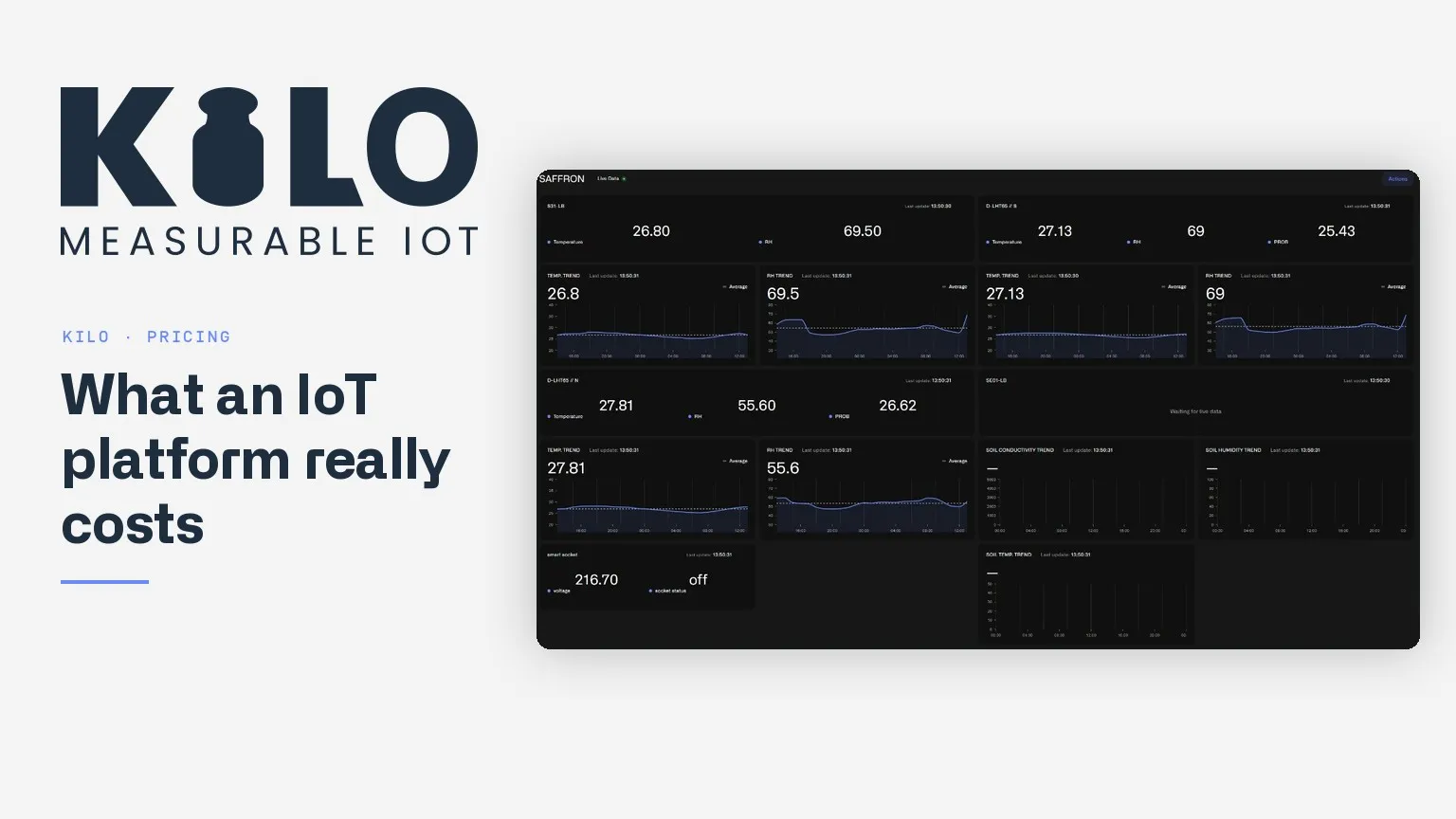
Kilo plan allowances at 5, 100 and 500 devices, with hardware, connectivity and optional SMS separated from the subscription.
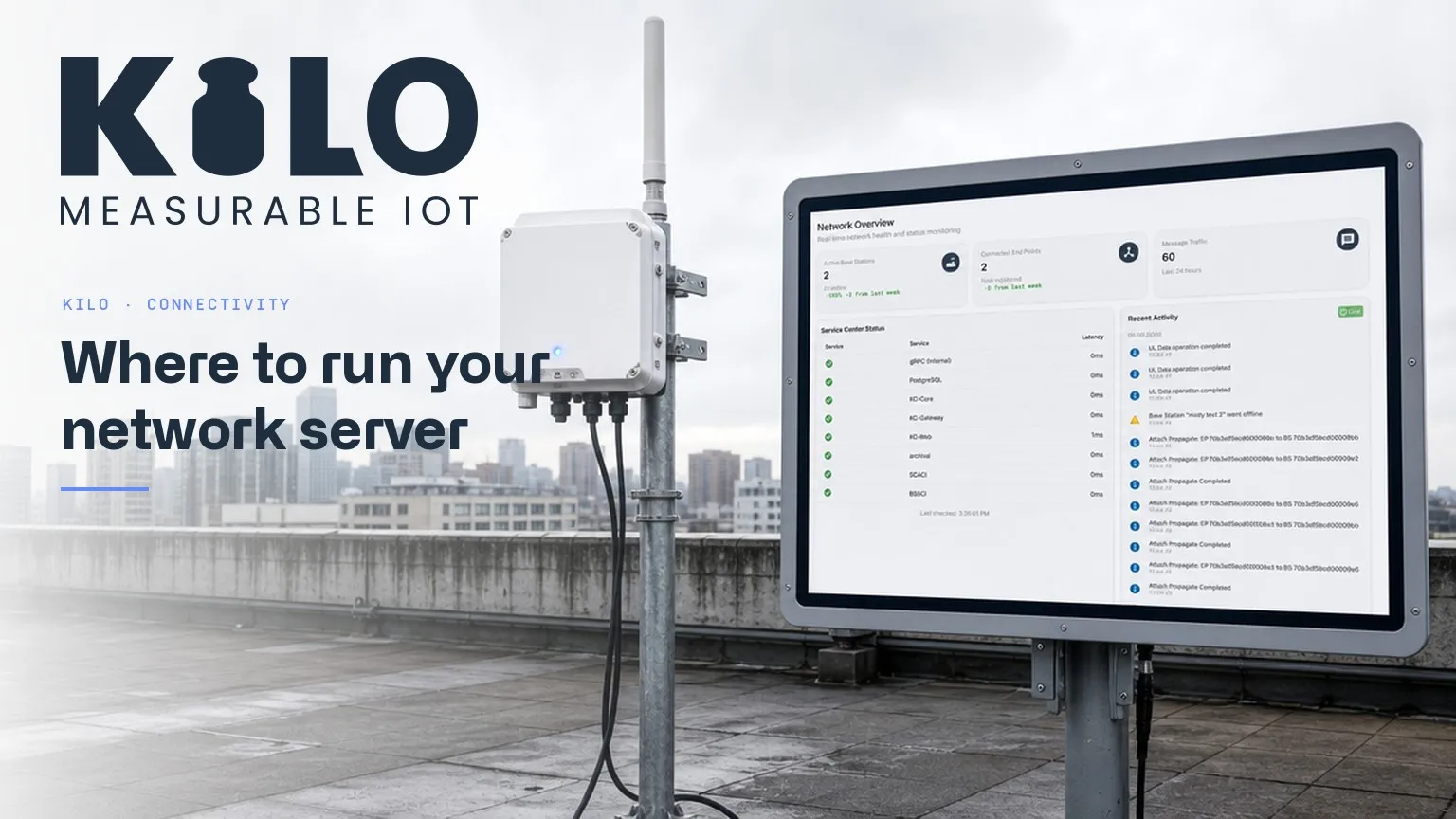
What a LoRaWAN Network Server actually does — and the honest trade-off between self-hosted, hosted, and built-in.
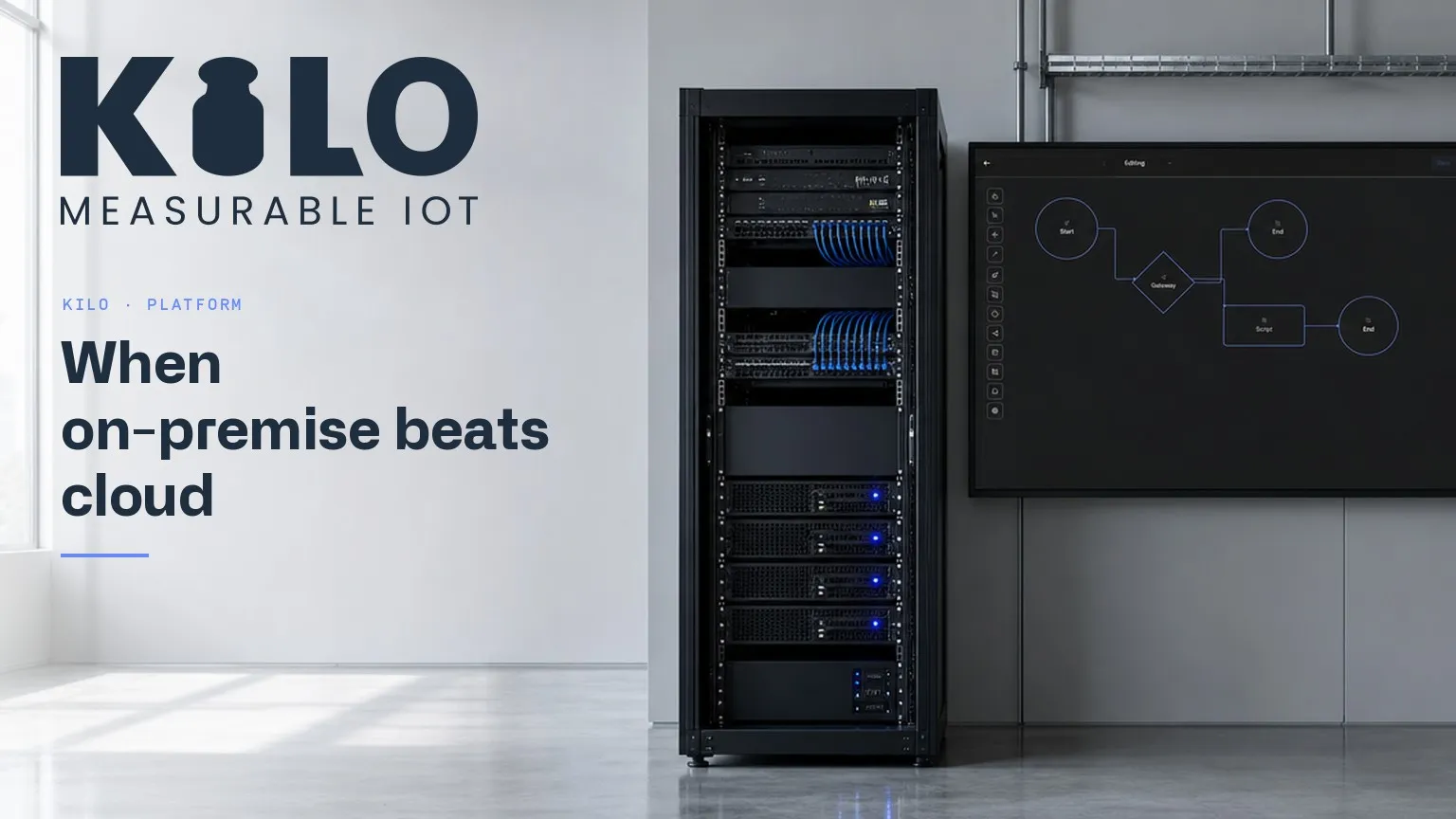
The good reasons to self-host an IoT platform, the operations costs nobody advertises, and the managed on-premise middle path.
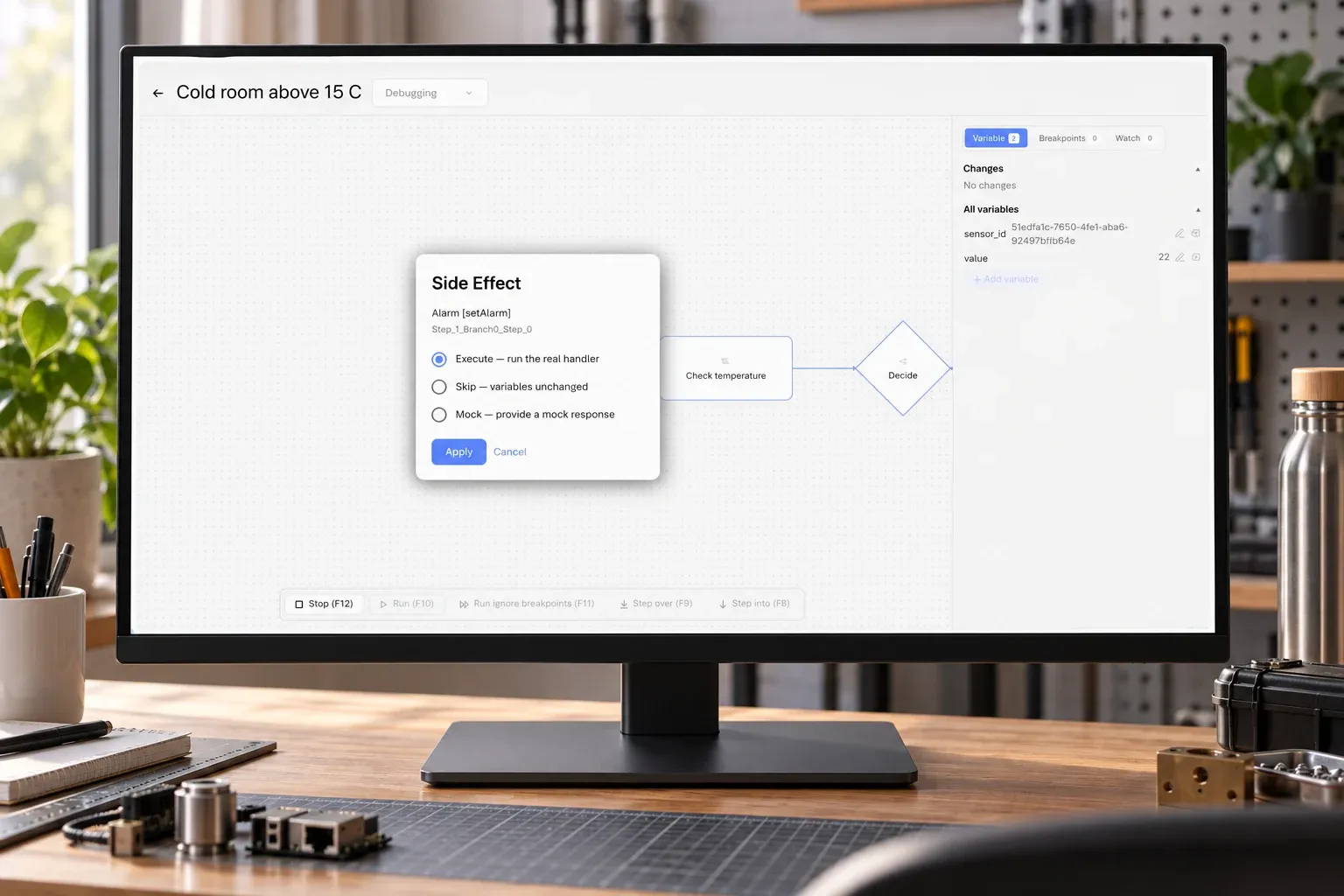
Why we recommend Kilo for integrated monitoring and automation: compare configuration, dashboards, testing, deployment and actual plan allowances.
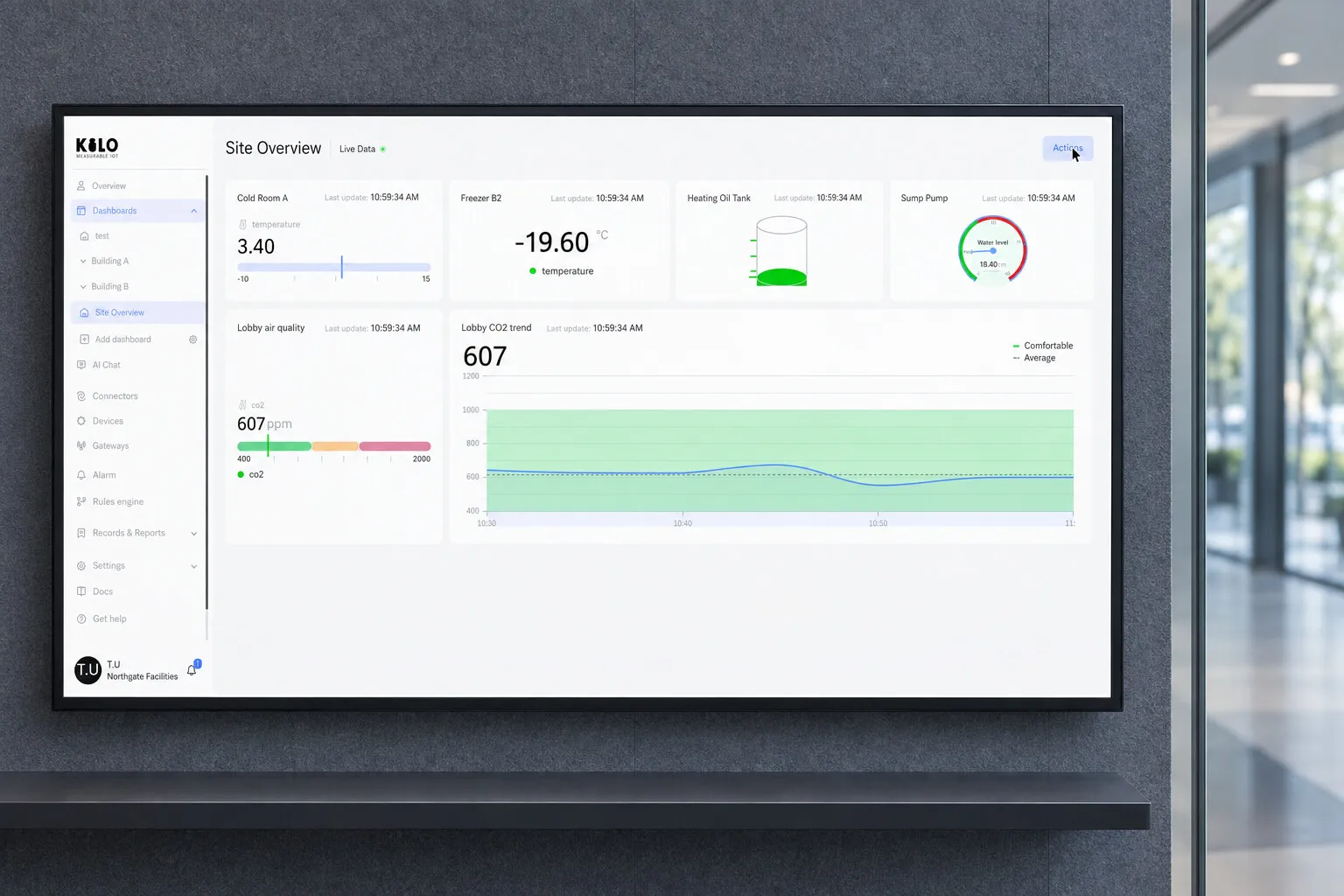
How to turn millions of sensor readings into dashboards, maps, and 3D site views a team can act on — and how to choose an IoT visualization platform.
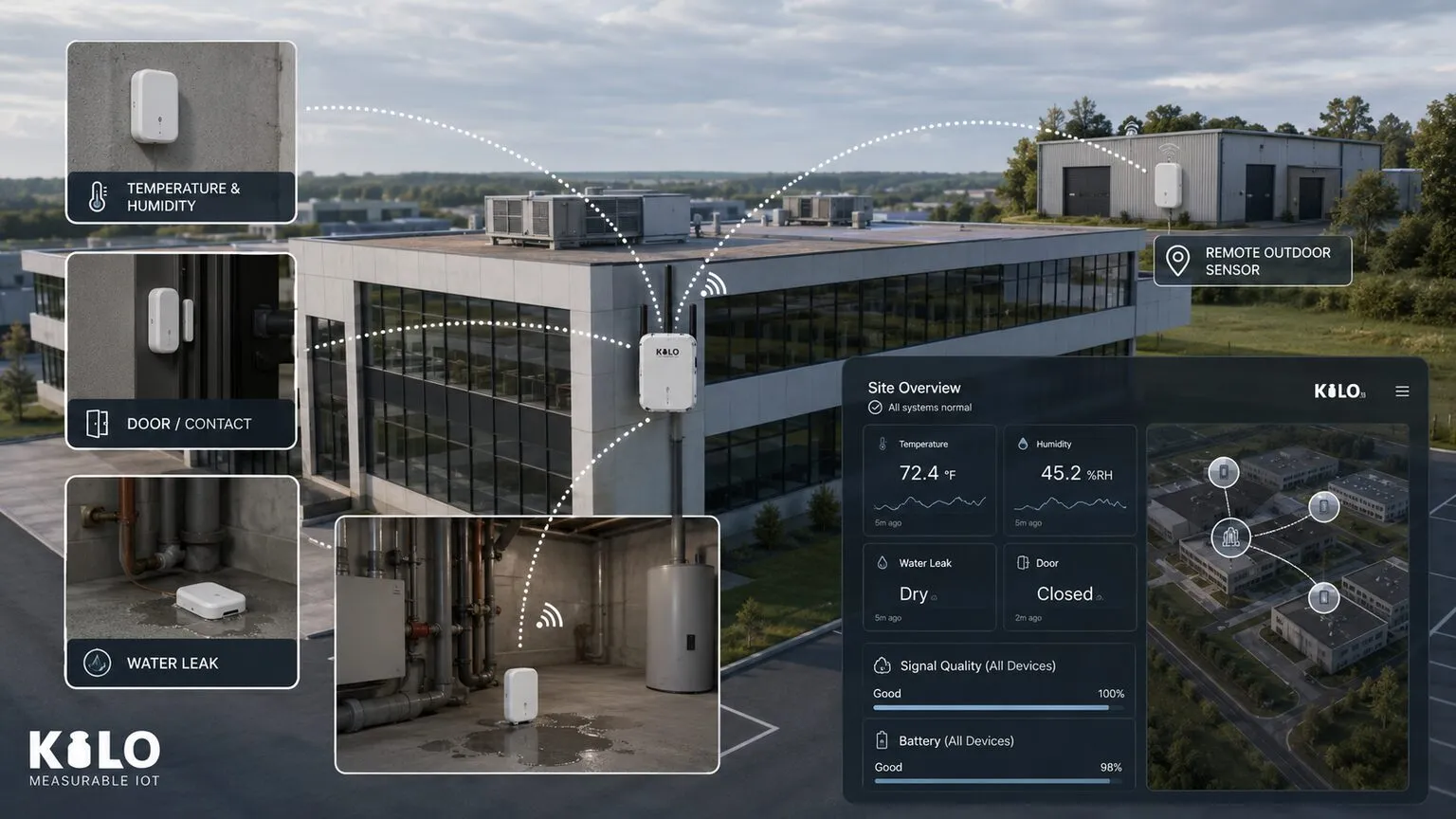
How LoRaWAN sensors work, why they reach basements and buildings 500 m away on one gateway, the main sensor types, and the fastest path from sensor to live dashboard.