In the wake of the catastrophic July 2025 Texas floods that claimed at least 82 lives, including 28 children, attention is turning to what could have been done to prevent such massive loss. One glaring failure was the lack of real-time, localized flood alerts—especially in areas like Kerr County and Camp Mystic, where water levels rose up to 26 feet in under an hour.
With climate change amplifying the severity and frequency of flash floods, proactive monitoring has become a matter of life and death. That’s where the Kilo IoT platform comes in—delivering real-time flood detection through LoRaWAN and NB-IoT sensors, even in remote or infrastructure-poor areas.
The Problem: A Flood Warning Gap With Tragic Consequences
The Guadalupe River flood rose with shocking speed between July 4–6, overwhelming both physical infrastructure and human response systems. Over 850 people were rescued, but warning systems failed to reach many. Residents had minutes—not hours—to react. The result: dozens of lives lost, including entire families and camp groups, like the tragic case at Camp Mystic.
Current warning systems often rely on static measurements, human spotters, or lag-prone weather models. In rural or topographically complex regions, these systems break down—leaving a fatal gap in preparedness.
The Solution: Smart Water Level Sensors by Kilo
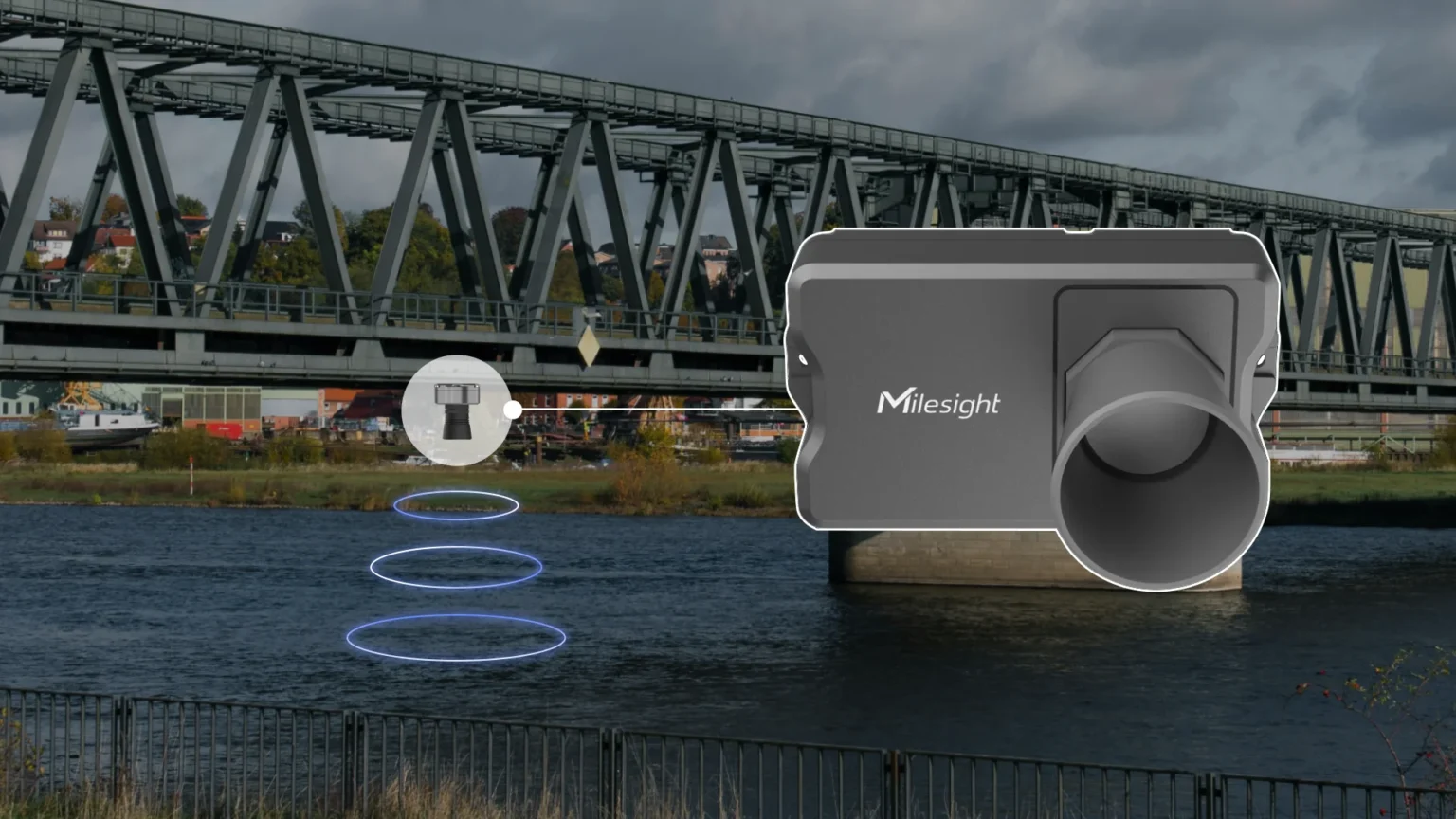
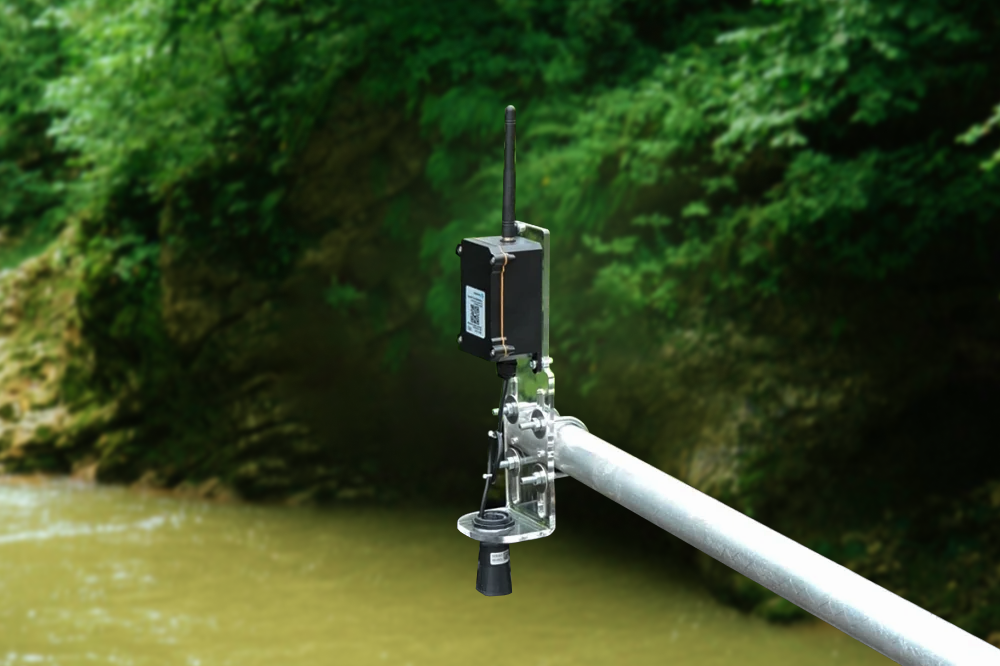
Kilo addresses this with real-time, always-on monitoring via bridge-mounted or riverbank water level sensors. These IoT sensors use LoRaWAN or NB-IoT connectivity—two low-power, long-range communication technologies ideal for flood-prone regions.
→ Dragino SW3L-LB LoRaWAN Flow Sensor
→ RAKwireless C15028 NB-IoT Fluid Level Sensor
How It Works
- Deployment: Sensors are affixed to bridges or riverbanks to continuously measure water levels using ultrasonic, radar, or pressure-based technology.
- Connectivity:
- LoRaWAN: Ideal for rural deployments, LoRaWAN can transmit sensor data up to 15–20 km with just a handful of gateways.
- NB-IoT: Utilizes cellular infrastructure, perfect for urban areas with good network coverage.
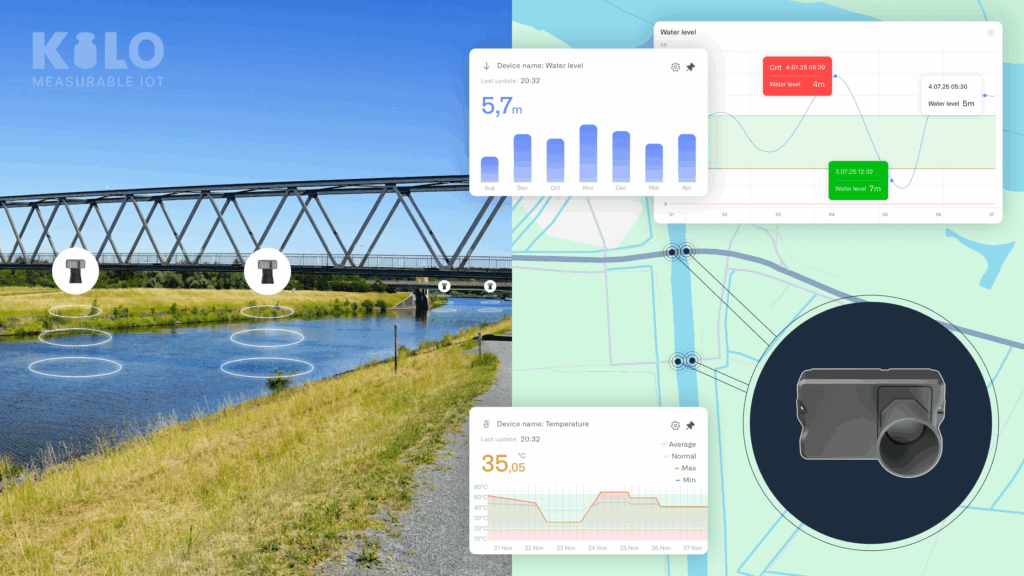
- Real-Time Alerts: Data is sent to the Kilo IoT platform, which processes trends and triggers alerts when rising water levels exceed critical thresholds.
- Integration: Rescue services, municipalities, or local citizen apps can be notified instantly—providing valuable lead time.
- Cloud Dashboard: Decision-makers can view water level trends, configure alerting logic, and visualize flood risks on a map-based interface.
Massive Coverage, Minimal Infrastructure
Kilo makes early flood detection highly scalable. Thanks to low-power wide-area network (LPWAN) technology, only a few LoRaWAN gateways are needed to cover an entire county—even in mountainous or forested terrain.
- One gateway can cover a 15–20 km (9–12 mile) radius, depending on landscape.
- Sensors operate on battery for multiple years, making them ideal for low-maintenance environments.
- NB-IoT options are available where cellular coverage exists—further reducing infrastructure barriers.
Preventing the Next Disaster
If LoRaWAN or NB-IoT sensors had been deployed upstream on the Guadalupe River, emergency services could have been notified as soon as water levels began to rise. Even 15 minutes of early warning could have enabled:
- Camp evacuations before roads were submerged
- Families to relocate to safety
- Rescue teams to pre-position resources strategically
With Kilo’s system in place, lives can be saved—not just infrastructure. It’s a clear example of how real-time insight can outperform late-stage response.
A Future-Proof Investment for Municipalities
Flood risk is rising globally—from Texas to Southeast Asia to Central Europe. Municipalities can strengthen their infrastructure with Kilo’s scalable alerting system.
- Flexible for local or regional deployment
- Low-power, long-life sensors require minimal maintenance
- Quick to deploy, with a fast return on investment
- Significantly more affordable than legacy hydrological systems
Ready to Deploy?
Kilo offers full deployment kits that include:
- Ultrasonic, radar, or pressure-based water level sensors
- LoRaWAN gateways or NB-IoT configurations
- A pre-integrated dashboard on the Kilo IoT platform
- Custom alerts via SMS, email, or API
Whether you represent a municipality, a disaster preparedness agency, or a regional infrastructure planner—Kilo helps bring proactive flood monitoring online fast.
Don’t Wait for the Next Storm
The Kerr County tragedy is a sobering reminder that every second counts. With the Kilo IoT platform, bridges can become early-warning beacons—not blind spots.
Contact us to get started or explore available flood monitoring hardware.